Dig Dig Die Sound Hunting Guide
Turn shovel noise, footsteps, and proximity chat into a survival budget.
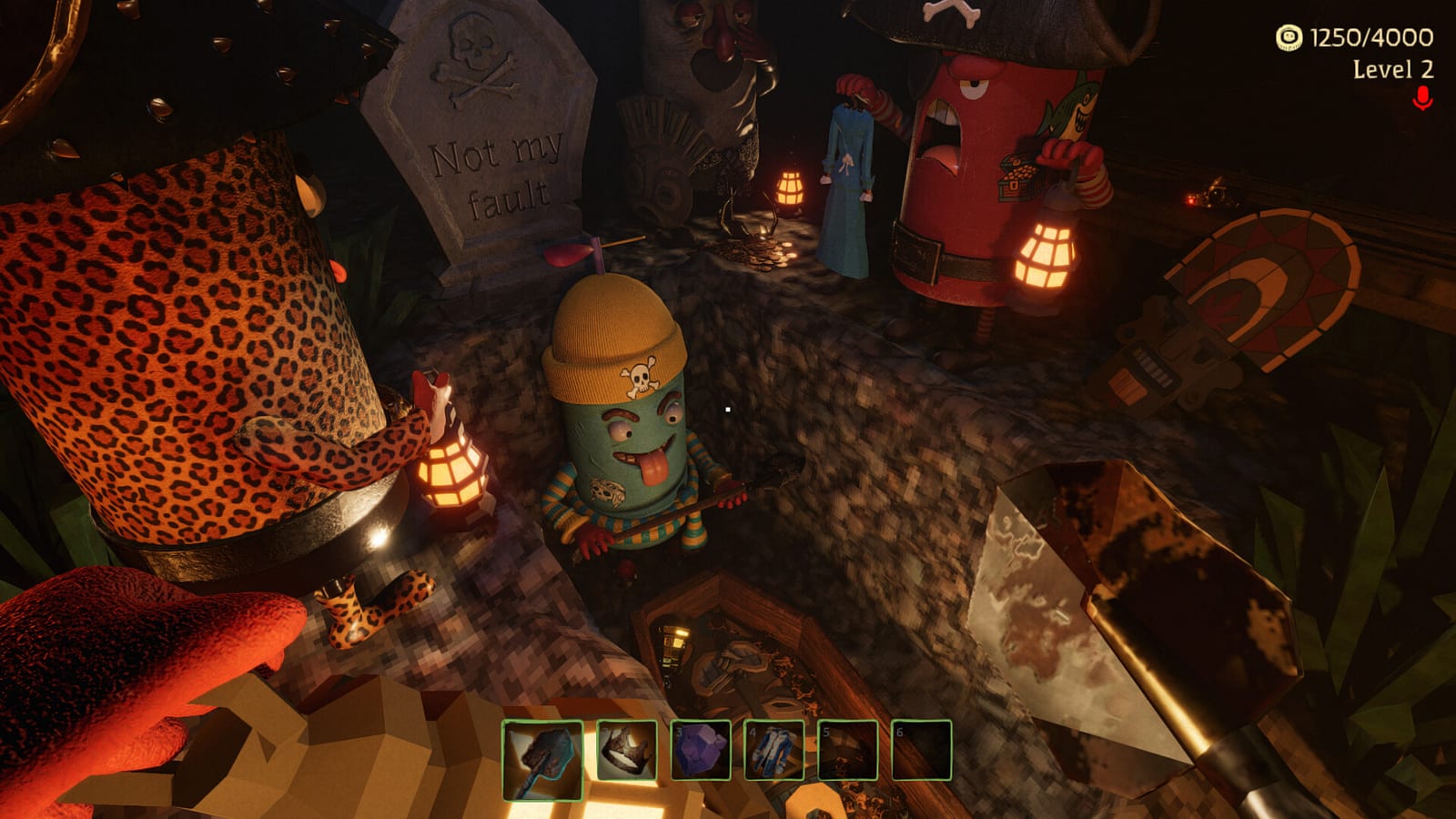
Sound hunting is the core Dig Dig Die monster fantasy. Alice Games made the graveyard hear you: shovel strikes, crowbar pries, sprinting, dropped loot, and proximity voice chat all feed the same threat system. If your crew masters noise before launch day, you will extract more often—and your funny failures will be intentional chaos, not accidental wipes. This page is the practical playbook for that skill.
Build a noise budget before you drop
A noise budget is a shared agreement about how loud the next two minutes are allowed to be. On the Cursed Ship, decide whether the raid is Quiet Extract, Split Noise, or Full Comedy. Quiet Extract means staggered digs, whisper callouts, and early leave. Split Noise assigns one distractor to make controlled sound away from the loot stack. Full Comedy accepts hunters and plays for clips—still useful, but not your learning mode.
Write the budget into roles using the Tools planner. Loot Runner digs and bags. Distractor owns intentional noise. Support watches audio, carries crowbars, and calls abort. Everyone else stays quiet unless the plan flips. Review Controls so crouch, interact, and voice settings do not fight you mid-raid.
Shovel and crowbar timing
Digging is the loudest honest work in Dig Dig Die. Treat shovel swings like reloads: commit, pause, listen, then swing again. Adjacent diggers multiply scrape and lid sounds, so space plots by at least one empty grave when possible. Crowbars open crypts faster but crack harder—use them when the lane to extract is already clear, not when a hunter is circling the row.
If a coffin feels wrong, with burst-threat vibes from the Monsters Hub, back off instead of finishing the dig on reflex. Burst monsters punish greed; sound hunters punish rhythm. The fix for both is the same: leave space, leave time, leave an exit.
Voice chat is a gameplay tool
Proximity voice chat with voice effects is not optional flavor—it is a threat vector. Scream once and you may paint your whole squad. Best practices that actually work:
- Default to whispers and short callouts: left crypt, bag full, abort south.
- Mute or lower open-mic habits before the first dig.
- Save loud voice effects for distractor plays, not loot calls.
- If someone panics on mic, freeze digging until the audio spike cools.
Pair voice discipline with map knowledge from Haunted Graveyards. Knowing where hard cover and extract doors sit lets you call quieter routes instead of narrating every headstone.
Movement noise and loot handling
Sprinting across gravel rows is free advertising. Prefer crouch approaches when a hunter is already near, and walk when you are only mid-aware. Dropping crates or juggling boosters mid-row creates clatter—stash transitions behind crypt walls. When you find high-value treasures or risky curses, decide immediately: bag it, park it, or leave it. Hesitation creates more footsteps than a clean decision. Use Treasures & Boosters and Cursed Items so those decisions are fast.
When a monster locks on
Lock-on is not the time to debate theory. Follow a recovery script:
- Stop digging. Mid-swing audio keeps the trail warm.
- Whisper a heading, not a story. One direction is enough.
- Split only if the plan already had a distractor. Random splits create two loud problems.
- Move toward known extract geometry from the Locations hub.
- If the squad is broken, prioritize one clean extract over a heroic wipe.
Distractors should peel with intentional noise only if loot runners are already bagged and moving. If bags are empty, peel plays waste lives. After extract, reset on the ship: buy quiet-friendly help from Casino & Vending only if the bankroll can survive a bad spin later—do not heal ego with roulette.
Training drills for launch week
Run three short drills before public lobbies:
- Silent sixty: dig one plot with no talking, then extract.
- Whisper raid: only five-word callouts allowed.
- Peel practice: one player makes noise while others finish a dig and leave.
Score the drills by extracts, not by loot value. Value comes after discipline. Cross-check which finds deserve a second noise spike on the Tier List, and fold the full raid loop into Guides.
Common sound-hunting failures
- Open-mic comedy during the first dig of the night
- Three shovels on the same row trying to finish faster
- Calling a UFO or hunter with a scream instead of a heading
- Chasing revenge digs after a near wipe
- Gambling the haul immediately, then returning undergeared and impatient
Sound hunting is learnable. Dig Dig Die wants your crew loud eventually—just not before you understand why the yard is answering back. Master the quiet run, then choose chaos on purpose.
Frequently Asked Questions
Quick answers for Dig Dig Die crews on Steam.
What noises matter most in Dig Dig Die?
Shovel digging, crowbar pries, sprinting, dropped loot, and proximity voice chat are the big ones. Treat each as a spend against a shared noise budget.
Should we always play silent?
No. Silent runs teach the rules. Split Noise and Full Comedy are valid once roles are clear. The mistake is being loud without a plan.
How do we recover when a monster hears us?
Stop digging, call one heading, move to extract geometry, and only peel if a distractor role was already assigned. Practice the recovery script above on the ship.
Does voice chat really aggro monsters?
Yes—Alice Games calls out that most monsters hear voice chat. Whisper callouts and careful voice effects are part of survival, not just immersion.
What should I read next?
Continue with UFO Events, then Graveyards and the Guides hub for full raid routines.