Noise Survival in Dig Dig Die
If they can hear the shovel—or your mic—they can find the crew.
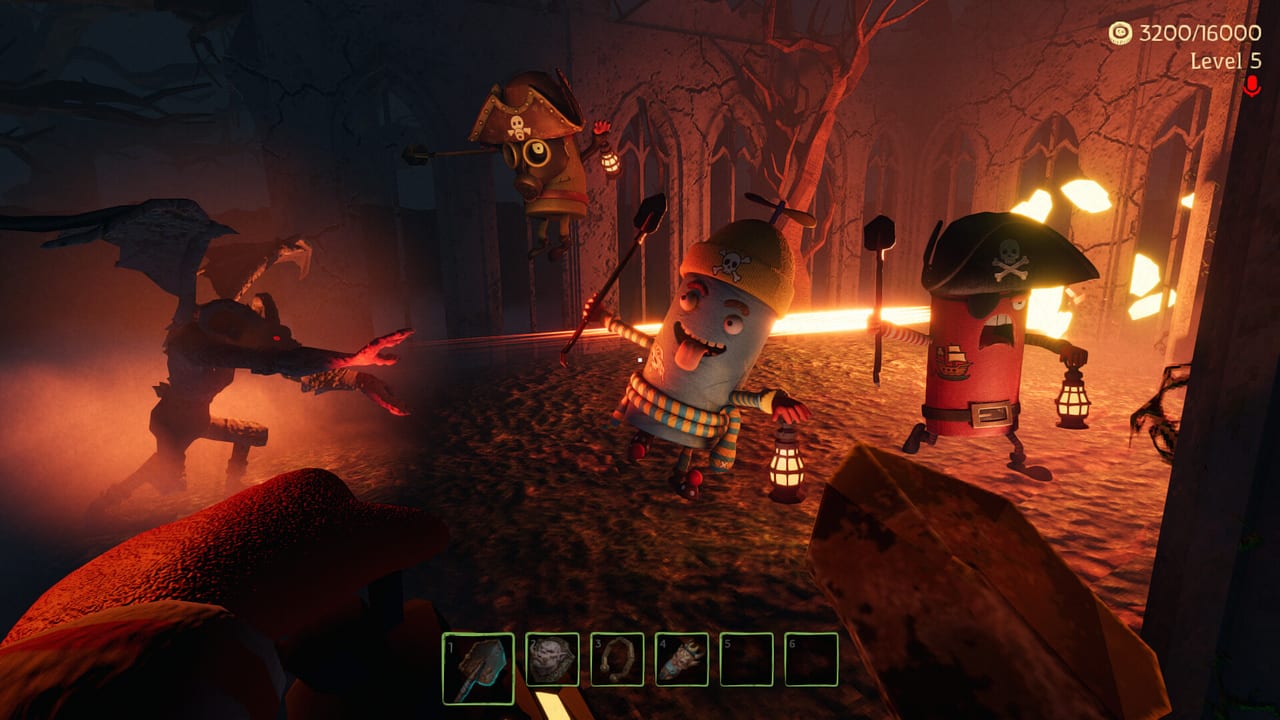
Noise survival is the difference between a Dig Dig Die raid that feels like cursed comedy and one that feels like a short horror short film starring your microphone. Alice Games’ Steam co-op horror is built around monsters that hear what you do—and what you say. Digging coffins, forcing crypts, swinging improvised weapons, and chatting through proximity voice all create information hunters can use. This guide teaches you how to budget sound so loot stays possible.
Use this page with How to Play Dig Dig Die for loop context, Voice Stealth for mic setup, and Beat Monsters for what to do after you have already been too loud.
Think in noise budgets, not silence fantasies
You cannot play Dig Dig Die in perfect silence. Digging is the fantasy. Digging is also a broadcast. The goal is not “never make sound.” The goal is “spend sound on purpose.” Every raid has a noise budget: a limited number of loud actions before the graveyard’s hunters get a reliable fix on your crew.
Spend budget on:
- high-value digs you already chose as objectives;
- emergency weapon use when escape is blocked;
- short, essential callouts that prevent a worse wipe.
Do not spend budget on:
- debating extract while standing on the dig site;
- laughing at a jump scare through an open mic;
- second and third “just one more coffin” swings after hunters are already circling;
- six people narrating the same monster at once.
Digging is the loudest honest work
Shovels and crowbars are your primary tools for coffins and crypts. Treat each dig like a timed risk window. Before you start:
- Know your extract direction.
- Confirm someone is watching approaches (see Co-op Strategies).
- Clear carry-slot decisions so you are not loudly rearranging inventory mid-dig.
- Agree on a silent abort signal so you do not need a paragraph when dirt starts fighting back.
If a dig goes wrong—monster burst, curse complication, sudden chase—stop adding shovel noise. Additional swings rarely fix a hunt that has already started; they usually paint a brighter target. Pivot to movement and extract thinking from Loot and Extract.
Voice chat is part of the stealth map
Proximity voice chat means your words are in-world sound, not a free out-of-game radio. That is Dig Dig Die’s signature pressure. A calm whisper can coordinate. A scream can summon. Special voice effects may color the fantasy, but they do not make loud speech safe.
Practical voice rules for graveyards:
- Prefer push-to-talk style discipline if your settings allow it; verify options in Steam PC settings.
- Callouts should be short: “hunter left,” “extract now,” “stop dig,” “UFO sky.”
- One speaker for emergencies beats overlapping panic.
- Save storytime for the cursed flying ship after extract.
Deep mic hygiene lives on Voice Stealth. If your mic echoes game audio, you can create a feedback loop of footsteps and monster noises that betrays the whole lobby.
Movement noise and team spacing
Even without digging, groups create sound through movement, collisions, and improvised combat. Keep spacing intentional:
- Too stacked: one scream dooms everyone at once.
- Too spread: nobody can reinforce a dig or share limited carry decisions.
- Sweet spot: close enough to help, far enough that one mistake is not automatically six corpses.
When a hunter commits, do not all sprint the same loud line. Split angles briefly, silence mics, and regroup toward extract. Heroic crowbar charges are sometimes necessary—usually they are ego. Read Beat Monsters before you turn every contact into a duel.
Boosts, curses, and noisy greed
Loot can include speed and super-jump style boosts that make quiet escapes easier—and curses that make the next minute louder or clumsier. Greed is a noise multiplier. The more you dig after your slots are already valuable, the more you gamble the entire haul. Noise survival and extract discipline are the same skill wearing two hats.
If you find a powerful mobility boost, consider whether it is better spent leaving now than enabling one more loud crypt. Limited carry slots make that choice concrete.
UFO moments and “stand and stare” deaths
Official messaging warns that UFO abductions are possible. Treat strange sky events as survival problems. Standing still to meme about the beam is a great clip and a bad extract. If the crew is already loud, an abduction threat is your cue to stop optional digs and move with purpose.
Ship habits that improve the next raid
Back on the cursed flying ship, debrief noise failures without starting the next argument mid-vendor line. Ask:
- Which dig was worth the sound?
- Which callout was necessary?
- Who spoke over the quiet captain?
- Did casino excitement undo a clean stealth raid?
Use vending machines to stabilize tools and boosts. Use the casino only when your noise lessons are banked—blackjack, roulette, and thimbles will not teach quieter digging.
Controls that support quiet play
You cannot execute noise plans if interact, dig, and voice binds fight your hands. Review Keybinds and confirm defaults in settings. Comfortable binds reduce panic misclicks that become free broadcasts.
A simple noise-survival script
- Plan two dig targets max for the first learning raids (How to Play).
- Assign digger, watcher, and extract caller (Co-op Strategies).
- Mute fluff talk on the ground (Voice Stealth).
- Dig, loot, decide slots, leave (Loot and Extract).
- If hunted, silence and disengage first (Beat Monsters).
Common wipe patterns to break
- “We can finish this coffin” after the hunter already arrived.
- Open-mic jump-scare laughter stacked on shovel noise.
- Full-lobby narration instead of one clear call.
- Fighting to protect a curse item nobody needed.
- Winning the graveyard, then screaming about casino bets before the next drop.
Noise survival will not make Dig Dig Die safe. It makes the danger readable. When sound is spent with intent, the comedy hits harder because the crew earned the chaos—instead of donating it for free. Return to the Guides Hub when you need the wider reading order, and keep this page open until quiet play becomes muscle memory.
Frequently Asked Questions
Quick answers for Dig Dig Die crews on Steam.
Do Dig Dig Die monsters really hear voice chat?
Official materials emphasize monsters that hunt by sound, including voice chat. Treat proximity voice as in-world noise and practice the habits in Voice Stealth.
Should I avoid digging to stay safe?
No. Digging is the core fantasy. Budget digs: choose targets, prepare extract, and stop adding shovel noise once a hunt has a fix on you.
What is the fastest way to reduce wipeouts from sound?
Shorten callouts, assign one extract caller, and leave after valuable slots are full. Combine this page with Loot and Extract.
Does fighting make more noise than running?
Improvised combat usually adds loud, repeated tells. Disengage first when you can; fight when escape is blocked. See Beat Monsters.
Where do I configure quieter controls?
Start with Keybinds and verify every binding in Steam PC settings. Comfortable binds reduce panic noise.