How to Play Dig Dig Die
From cursed flying ship to haunted graves—and back with whatever you can carry.
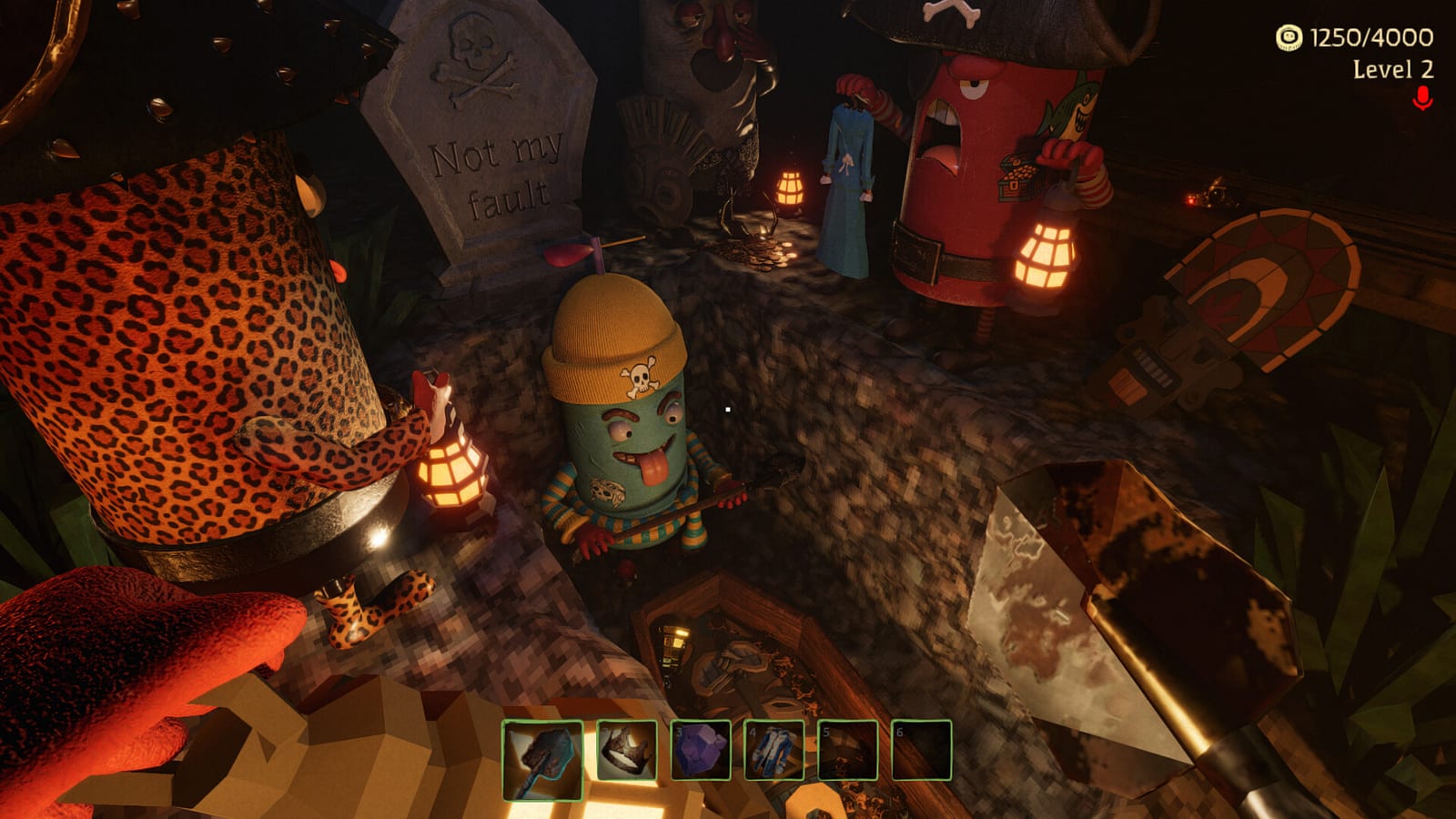
Dig Dig Die is an online co-op horror game from Alice Games for Steam PC (AppID 4074010), targeting release on August 6, 2026. You play as cursed space-pirate style raiders who board a flying ship hub, drop into haunted graveyards, dig coffins and crypts for loot, and try to extract before sound-hunting monsters—or a bad UFO moment—ends the night. This how-to-play guide explains the full session loop so your first hours are about decisions, not confusion.
Watch the announcement trailer mid-page for tone and fantasy, then treat the steps below as your practical checklist. Pair this page with Noise Survival, Loot and Extract, and Keybinds once you understand the flow.
The session loop in one breath
- Meet on the cursed flying ship (your hub between raids).
- Launch a graveyard raid with one to six players online.
- Explore graves, coffins, and crypts with shovels, crowbars, and improvised weapons.
- Dig for loot: some finds grant boosts (speed, super-jump, and similar advantages); some apply curses; some wake trouble.
- Manage limited carry slots—community chatter often describes a tight inventory, so plan what you keep.
- Survive monsters that hunt by sound, including proximity voice chat.
- Extract back to the ship with whatever you still hold.
- Spend or risk rewards at vending machines and the onboard casino (blackjack, roulette, thimbles).
- Repeat—smarter, quieter, greedier, or all three.
That loop is the game. Everything else—roles, mic discipline, abort calls—is how you stop the loop from becoming a highlight reel of your own screams.
Step 1: Treat the ship as a planning room
The cursed flying ship is not only flavor. It is where crews set rules before noise and loot temptations take over. Decide who digs first, who watches approaches, who carries high-value finds, and what “we extract now” means. Review Co-op Strategies for role ideas that scale from duo to six.
Also decide casino policy before anyone wins a lucky dig. The ship’s blackjack, roulette, and thimbles tables are comedy-horror fuel. They can also erase a clean raid. Agree whether gambling happens only after banking essential tools, or not at all on learning nights.
Step 2: Enter the graveyard with a quiet plan
Haunted graveyards are the raid zone. Your job is not to clear every tile—it is to dig valuable targets and leave. Move with purpose. Favor routes that keep the team clustered enough to help, but not so stacked that one scream dooms everyone. Read Noise Survival before you treat digging like a mining simulator.
Expect coffins and crypts to hide mixed outcomes. Boosts can create clutch escapes. Curses can sabotage your next minute. Monsters may burst from the ground. Digging is progress and risk at the same time.
Step 3: Dig with tools, not with panic
Shovels are your primary dig tools. Crowbars and improvised weapons cover force and defense when something refuses to stay buried. Dig Dig Die’s fantasy is slapstick and scary at once—use tools deliberately. Loud, repeated swings are a beacon. If a dig goes loud, assume hunters can hear it and prepare an exit path before you commit to a second noisy objective.
Inventory space is a strategic resource. Because community discussion often mentions a very limited carry setup (sometimes described as two-slot style), this wiki describes the system as limited carry slots until your build’s UI is confirmed in-game. That means every pickup is a trade. Ask: does this boost help extraction more than the tool I would drop? See Loot and Extract for decision frameworks.
Step 4: Understand that sound is the hunt
Most monsters hear everything that matters: shovel work, impacts, and voice chat. Proximity voice is not a side feature—it is part of the stealth layer. A joke at the wrong meter distance can be as deadly as a dropped crate. Configure habits in Voice Stealth and keep emergency callouts short.
If pressure spikes, do not invent a boss-fight script. Use Beat Monsters principles: silence, break chase angles, abandon a loud dig, and re-center on extract.
Step 5: Extract is the win condition
A full inventory that never returns to the ship is a story, not a score. Extraction converts risk into progress. Call extract early when:
- carry slots are already holding strong boosts or mission-critical finds;
- the team’s noise budget is spent;
- a hunter is clearly triangulating the dig site;
- a UFO-style abduction threat makes standing still feel cursed for good reason.
Learn abort language with your friends. “Extract” should mean move now, not debate for thirty loud seconds.
Step 6: Spend carefully on the ship
Back aboard, vending machines are the sensible payoff lane for boosts and supplies. The casino is the chaos lane. Both belong to Dig Dig Die’s identity. New players should vendor first, experiment with gambling later, and never stake the only tool that makes the next dig possible.
Controls expectations (verify in settings)
Exact default keybinds can change between builds. Expect familiar Steam PC patterns for move, jump, interact/dig, weapon use, inventory, and voice—but open settings and confirm on your machine. Use Keybinds as a planning checklist, not as a fake official chart.
Solo versus co-op first sessions
Solo is useful for learning ship menus, dig timing, and personal mic discipline. Co-op (up to six) is the intended comedy-horror payoff. If your first night is with friends, assign one “quiet captain” who owns extract calls so six voices do not all negotiate at once.
Pre-raid checklist
- Confirm Steam PC settings and bindings via Keybinds.
- Set voice habits from Voice Stealth.
- Agree extract rules from Loot and Extract.
- Skim Noise Survival and Beat Monsters.
- Decide casino limits before the first jackpot temptation.
What success looks like
Success in Dig Dig Die is not a perfect clear. Success is a crew that digs with intent, speaks with discipline, extracts with loot still in hand, and still laughs when a curse or UFO turns the plan sideways. Master the loop on this page, then specialize through the rest of the Guides Hub.
Dig Dig Die launches as an upcoming Steam title—treat pre-release details as subject to polish, verify controls in your build, and keep official Alice Games channels as the authority for live changes.
Frequently Asked Questions
Quick answers for Dig Dig Die crews on Steam.
What is the basic Dig Dig Die gameplay loop?
Board the cursed flying ship, raid a haunted graveyard, dig coffins and crypts for loot, survive sound-hunting monsters, extract to the ship, then use vendors or the casino before the next raid.
How many players can join a session?
Dig Dig Die supports 1–6 players in online co-op on Steam PC. Solo works for learning; co-op is where roles and voice discipline matter most.
When does Dig Dig Die release?
The publicly communicated Steam release target is August 6, 2026. Always confirm the live Steam page near launch for any schedule changes.
Where should I go after this how-to-play page?
Read Noise Survival next, then Loot and Extract. Configure Keybinds before your first loud dig.
Are inventory slots confirmed as exactly two?
Community chatter often describes a very limited carry setup. This wiki uses “limited carry slots” until your installed build confirms the exact UI—plan as if every pickup is a hard trade.