How to Beat Monsters in Dig Dig Die
You do not owe the graveyard a fair fight—you owe your crew an extract.
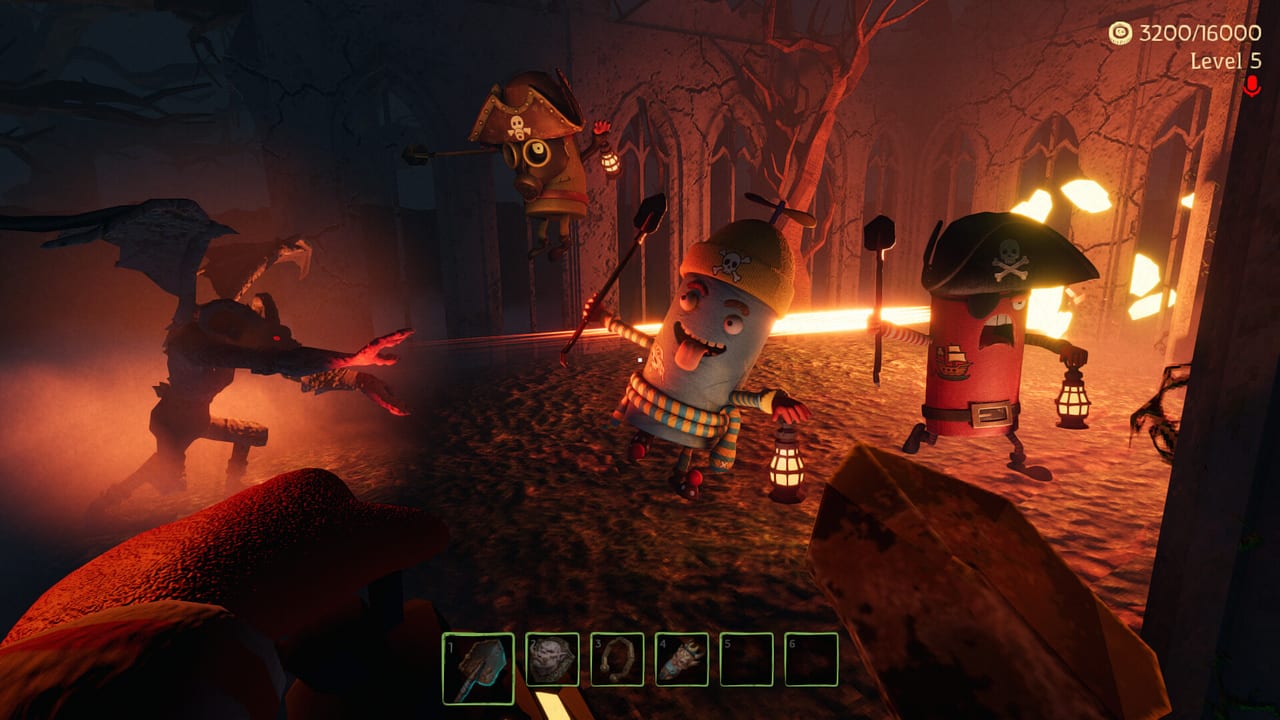
“Beat monsters” in Dig Dig Die rarely means farming them for sport. Alice Games’ Steam co-op horror populates haunted graveyards with threats that listen for shovels, impacts, and proximity voice chat. Some trouble bursts from the ground when a dig goes wrong. UFO abductions add a vertical kind of unfairness. This guide teaches pressure responses that protect loot and lives: silence first, disengage second, improvised weapons when the exit is blocked, extract always.
For prevention habits, stay rooted in Noise Survival. For team jobs during a chase, use Co-op Strategies. For why you should leave with half a plan instead of a full crypt, read Loot and Extract.
What “beating” a monster looks like
A win condition against hunters is any outcome that returns the crew—or at least the carrier—to the cursed flying ship with progress intact. That can look like:
- breaking a chase until the dig site goes cold;
- sacrificing a low-value dig to buy distance;
- a short crowbar burst that opens an escape lane;
- a disciplined scatter-and-reunify toward extract;
- refusing a doomed fight and resetting on the ship.
A loss condition is dying on top of treasure while everyone narrates the kill on open mics.
Understand the hunt sense
Official materials stress that most monsters hear everything that matters. Digging is a beacon. Combat is a beacon. Voice chat is a beacon. If you treat Dig Dig Die like a visibility-only stealth game, you will misread every contact.
When you think you have been heard:
- Stop optional shovel work immediately.
- Cut non-essential speech (Voice Stealth).
- Face the likely approach while moving toward a pre-agreed exit line.
- Let the quiet captain decide fight versus flee in a few words.
Do not add “confirming” noise. The hunter does not need your play-by-play.
Disengage is the default answer
Improvised weapons and crowbars exist for a reason, but defaulting to combat turns every contact into a coin flip. Disengage when:
- your limited carry slots already hold strong value;
- only one player has eyes on the threat;
- the dig was optional;
- the lobby is mid-panic and cannot coordinate swings;
- a sky/UFO threat is already compressing time.
Disengage technique for crews:
- break the obvious chase line instead of sprinting as a clump;
- use graveyard geometry—stones, crypt corners, elevation changes—to interrupt simple pursuit paths;
- reunify at an extract-facing landmark, not at the original noisy dig;
- keep callouts to direction words, not stories.
When to fight anyway
Fight when escape is blocked, a carrier is about to be deleted with the raid’s value, or a burst-from-ground ambush leaves no clean lane. Even then, fight for a lane—not for pride.
Combat checklist:
- one or two players contest while others preserve extract readiness;
- avoid six overlapping swings that create a sound festival;
- after a lane opens, stop fighting and leave;
- do not loot the battlefield if the hunt is still hot unless the item is truly extract-critical.
Tools matter here: shovels keep the fantasy online, crowbars and improvised weapons buy seconds. Confirm comfortable use binds in Keybinds before you need them under adrenaline.
Ground bursts and dig-site ambushes
Coffins and crypts can hide more than boosts and curses—trouble can erupt from the dirt itself. Pre-commit a dig-site abort:
- digger drops the objective on the abort word;
- watcher calls direction once;
- carrier moves first if slots are valuable;
- nobody restarts the same hole “to finish it” during the first chase wave.
The unfinished coffin will still be there if you survive. Your loot will not be there if you do not.
Boosts as monster answers
Speed and super-jump style boosts are often better monster answers than a heroic stand. A mobility boost spent reaching extract is a clean win. A mobility boost spent re-entering a doomed dig is how highlight clips become cautionary tales. Pair boost timing with the extract triggers in Loot and Extract.
Curses that impair movement or control raise the value of early aborts. Disclose the curse, shrink the plan, leave.
UFO pressure is a monster-adjacent threat
UFO abductions are part of the publicly described chaos fantasy. Treat beams and sky events like a timer on greed. If hunters are already active, layered threats should end optional objectives instantly. Standing still to spectate the sky is how comedy becomes a wipe.
Team responses by lobby size
Solo — Instant abort discipline. You have no watcher safety net; spend less time finishing noisy digs.
Duo/Trio — Classic digger/watcher split. Watcher owns first call; digger owns stopping the sound.
Four to six — Dangerously easy to create a firing squad of voices and crowbars. Keep one captain, limit who contests, and compress toward extract rather than opening a second front. See Co-op Strategies.
After-action on the ship
Back on the cursed flying ship, debrief monster contacts with useful questions:
- What sound started the hunt?
- Did we stop digging in time?
- Did callouts help or stack panic?
- Was the fight a lane-opener or a pride sink?
- Did vendors need to replace tools before casino time?
Stabilize at vending machines first. Blackjack, roulette, and thimbles will not teach better disengages—though losing there can feel like a second monster.
Practice progression
- Learn the loop in How to Play Dig Dig Die.
- Reduce free noise via Noise Survival.
- Drill abort calls with your lobby.
- Use this page for contact decisions.
- Only then expand greed routes.
Myths to drop
- “If we all hit it, it dies faster.” Sometimes true, often louder.
- “We can talk freely once it sees us.” Voice can still make regroups worse.
- “Loot on the corpse is worth the third re-engage.” Usually false.
- “Casino luck fixes a wipe streak.” It fixes nothing about shovel timing.
Beating monsters in Dig Dig Die is a stealth-extraction skill with occasional crowbar punctuation. Stay humble, stay quiet when you can, and spend violence on exits. When you want the full guide index, return to the Guides Hub and keep extract as the score that matters.
Frequently Asked Questions
Quick answers for Dig Dig Die crews on Steam.
Should we fight Dig Dig Die monsters on sight?
Usually no. Silence and disengage are the default. Fight when escape is blocked or a carrier’s extract value is about to be deleted.
What is the first thing to do when a hunt starts?
Stop optional digging, cut non-essential voice chat, and move toward a pre-agreed extract line while a watcher calls direction once.
Do boosts help more than weapons?
Speed and super-jump style boosts often beat prolonged fights because they buy extract. Weapons matter for opening a lane when you are trapped.
How should a six-player lobby handle a chase?
Limit who contests, keep one quiet captain, and compress toward extract. Avoid six overlapping callouts and crowbar swings. See Co-op Strategies.
Are UFO abductions something we can fight?
Treat UFO pressure as a timer on greed and positioning, not a standard duel. Stop optional digs and move with purpose when sky threats appear.