Co-op Strategies for Dig Dig Die
More crewmates mean more shovels—and more ways to get heard.
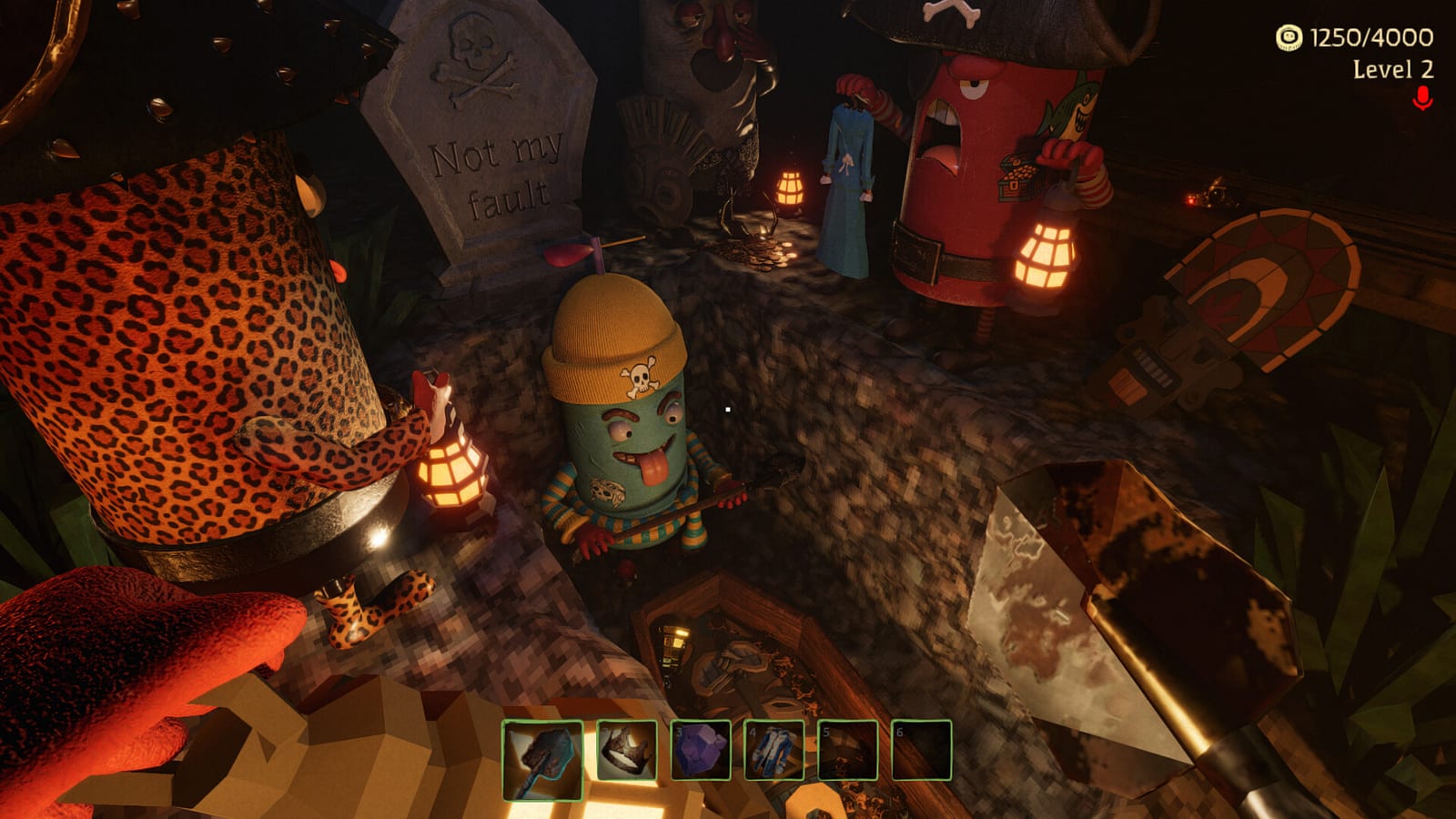
Dig Dig Die is built for 1–6 online co-op on Steam PC, and that range completely changes how a haunted graveyard feels. Two careful pirates can ghost through digs. Six excited friends can sound like a parade of coffins. This guide turns lobby size into a plan: roles, callouts, extract authority, betrayal boundaries, and ship-side discipline after you return to the cursed flying ship.
If you are still learning the loop, skim How to Play Dig Dig Die first. If your wipes are mostly audio-related, pair this page with Noise Survival and Voice Stealth.
The co-op truth: scale multiplies noise
Every added player can add dig speed, watch coverage, and clutch saves. Every added player can also add open mics, duplicate callouts, and contested loot fumbles. Successful crews scale discipline as fast as they scale headcount.
Before the drop, answer four questions out loud on the ship:
- Who digs?
- Who watches?
- Who carries contested value?
- Who can call extract without a vote?
If you cannot answer those in under a minute, the graveyard will answer them for you.
Role kit that works from duo to six
These roles are social contracts, not class menus:
Digger — Primary shovel work on agreed coffins and crypts. Owns the noise window. Stops digging when the quiet captain calls abort.
Watcher — Faces approaches while others dig. Calls hunter direction in short phrases. Resists the urge to “help dig” every time boredom hits.
Carrier — Holds the highest extract value when limited carry slots force specialization. Avoids unnecessary fights that risk the haul.
Quiet captain — Owns extract and abort language. One voice prevents six-person negotiations on top of a loud dig.
Flex — In larger lobbies, a fifth or sixth player rotates between second dig site, rescue bodyblocking, or rear guard.
In a duo, one person is digger/carrier and the other is watcher/captain. In a six-stack, do not invent six unique titles—duplicate digger/watcher pairs are fine if the captain role stays singular.
Callout language that survives proximity voice
Because monsters hunt by sound—including voice chat—callouts must be short and rare. Agree on a tiny lexicon:
- “Stop dig.”
- “Hunter left/right/behind.”
- “Extract now.”
- “Split and hush.”
- “UFO sky.”
- “Curse on me.”
Ban mid-raid essays. Save the comedy roast for the ship. Detailed mic setup belongs on Voice Stealth; this page is about social rules that make that setup matter.
Extract leadership beats democratic panic
Loot arguments kill runs. Pre-commit to extract triggers from Loot and Extract: valuable slots full, noise budget spent, team too split, tools threatened, or abduction pressure. When the quiet captain says extract, the correct response is movement, not a counter-presentation.
If someone repeatedly ignores extract calls, solve it on the ship between raids. Solving it mid-chase creates the exact scream pile Dig Dig Die monsters love.
Loot etiquette under limited carry slots
Limited carry slots create conflict even among friends. Set etiquette early:
- Diggers get first claim on the tool they need to keep digging.
- Carriers get first claim on extract-critical boosts when the team is leaving.
- Curses are disclosed immediately in one line.
- Nobody “quietly” swaps a teammate’s survival boost for casino seed money.
Clear etiquette keeps betrayal optional and intentional—not accidental toxicity.
Betrayal, chaos, and consent
Marketing and previews lean into chaotic co-op: greed, panic, and the possibility of leaving friends in a bad crypt story. That tone is part of Dig Dig Die’s comedy horror identity. It only stays fun with consent.
Pick a table rule before launch night:
- Safe mode — no intentional team kicks or loot steals; chaos comes from monsters, curses, UFOs, and casino luck.
- Chaos mode — betrayal allowed, but announced as the night’s genre; victims get rematch priority next raid.
- Casino wild — graveyard is cooperative; ship gambling is where friendships go to be tested.
Switching modes mid-raid without warning is how lobbies implode.
Lobby-size playbooks
Solo — Practice dig timing, slot trades, and personal mic discipline. Use it as homework for louder nights.
Duo/Trio — Best learning size. One dig site, tight spacing, fast extracts.
Four to six — Split into two mini-crews only if you still share one extract captain and a reunify timer. Two independent greed missions with no rally plan become two wipes that cannot help each other.
When pressure hits, larger lobbies should compress toward extract rather than opening a third dig “because we have the numbers.” Numbers without silence are just a louder target. See Beat Monsters for group disengage habits.
Ship phase is still co-op
The cursed flying ship is where teams either reinforce good habits or dissolve them. Use vendors to stabilize shovels, crowbars, and boosts. Treat blackjack, roulette, and thimbles as group events with surplus only—unless chaos mode says otherwise.
A practical ship agenda:
- Thirty-second debrief: what noise was worth it?
- Vendor purchases that protect the next dig.
- Optional casino window with a hard stop.
- Reconfirm roles for the next graveyard.
Controls coordination
Ask everyone to verify bindings before the first scream. Point them to Keybinds and make “settings check” part of invite etiquette. A player who cannot quickly interact or mute is a recurring noise event.
Drills that make co-op sharper
- Silent dig drill — one digger, no non-captain speech until extract.
- Abort drill — captain calls extract mid-dig; crew must leave within a short count.
- Split-reunify drill — two pairs dig, then meet at a named rally without shouting essays.
- Surplus-only casino drill — gamble only what the group pre-tagged as disposable.
Failure patterns unique to multiplayer
- Three people describing the same hunter overlapping.
- Two diggers starting separate loud graves with no watcher.
- Carrier downed because nobody watched while they rearranged slots.
- Extract called, then a friend starts “one last crypt.”
- Post-raid tilt from roulette deciding the next composition.
Co-op mastery in Dig Dig Die is not perfect coordination—it is recoverable coordination. You will scream sometimes. You will dig too loud sometimes. Crews that reset roles and extract authority between raids stay dangerous in the right way. When you need the wider guide list, return to the Guides Hub and keep this page as your lobby contract.
Frequently Asked Questions
Quick answers for Dig Dig Die crews on Steam.
What is the most important co-op role in Dig Dig Die?
A single quiet captain who can call extract and abort without a committee. Diggers and watchers matter, but extract authority prevents panic debates.
How do we stop six players from being too loud?
Use a tiny callout lexicon, prefer disciplined voice habits from Voice Stealth, and ban mid-raid storytelling until you are back on the ship.
Should we split the team in a six-stack?
Only with a shared extract captain and a reunify plan. Two uncoordinated greed routes usually create two isolated wipes.
Is betrayal part of normal play?
It can be part of the comedy-horror tone, but agree on safe mode versus chaos mode before the raid so nobody is surprised in a bad way.
What should we do on the ship between raids?
Short debrief, vendor stabilization, optional surplus casino time, then reconfirm roles. See also Loot and Extract.